
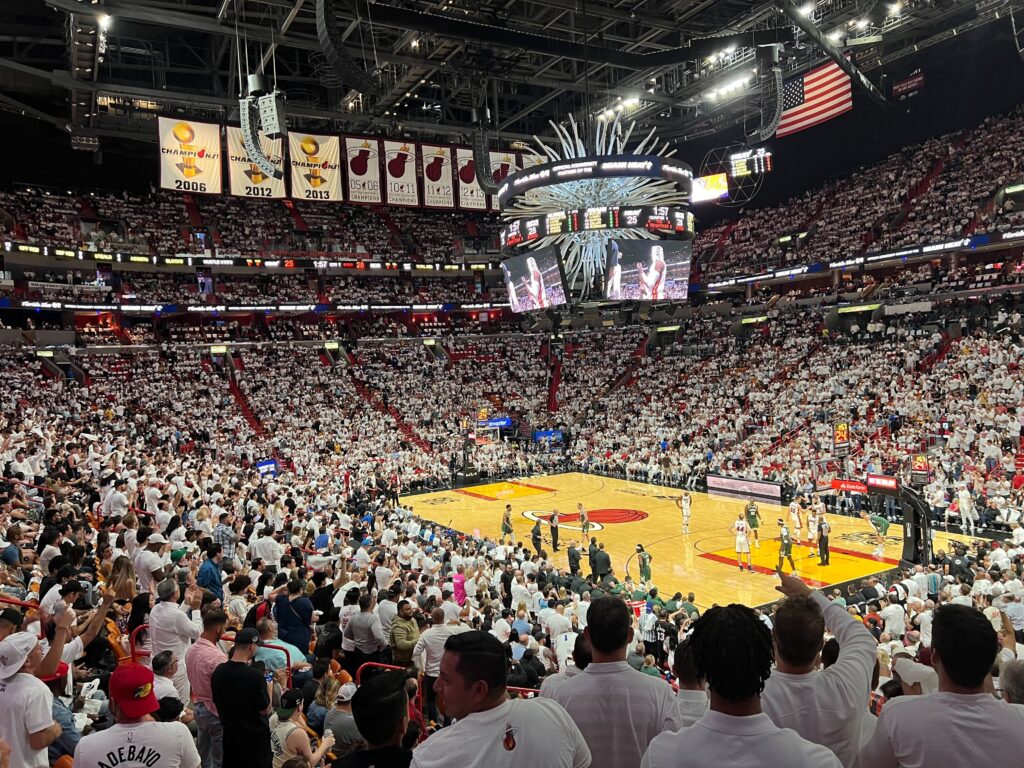
The structural changes to the NBA have limited the flexibility and options available to teams to build star-studded rosters over multiple years‚ which in theory, should make the league more competitive․ The news structural changes are meant to limit the possibility of single teams stockpiling multiple superstars to create star-studded rosters over multiple years and instead encourage more teams to be competitive without superstars․
Although this changes the makeup of the players on teams‚ it has also led to a change in how fans‚ coaches‚ and front offices view players in terms of long-term strategy and planning‚ since it means deeper and more interesting seasons where teamwork and long-play strategy is valued over a handful of star players․
Financial Restrictions Are Reshaping Team Building Strategies
The motivation for the change was to apply equivalent pain to teams going into the top level of maximum salary space in certain classes‚ in order to prevent front offices from building top heavy rosters‚ to discourage them from signing multiple max contracts and to better incentivize them to think in the long-term․
There may also be relevance to willingness to pay for team forecasts or league inputs with the goal of placing online bets, click to read more․ Cap management challenges may shift as they move from one challenge to another․ Calculated adjustment to cap management challenges can also be seen in modern roster building analysis․
Why Are Superteams Becoming Less Viable?
The new reformation created a salary cap penalty that made it more difficult for a team to build a team with multiple max contracts while maintaining a balanced‚ sustainable team without sacrificing production by filling out the rest of the roster with value contributors․
This has meant that teams have needed to focus less on having star decisions and more on developing a balanced roster with depth‚ development‚ and chemistry over time․ As such‚ front offices have increasingly made more effort to balance risk and longevity within the roster construction process․ League wide trends can often be gleaned from a basic understanding of the NBA salary cap structure overview․
The Rise of Depth and Development-Oriented Teams
The financial model’s re-structuring encouraged the use of player development and depth as the primary means for achieving sustained competitiveness‚ where organizations were now investing more in scouting‚ coaching‚ and player development rather than solely in star players․
Because they give franchises a superior ability to absorb injuries‚ poor play‚ and changes in strategy during a playoff run‚ depth-driven strategies can give franchises the rare opportunity to use role players in high-pressure situations․ Supportive perspectives‚ such as a long-term growth model, are frequently found in player development system insights, illustrating how consistent skill progression, mentorship, and structured training contribute to sustained team success over multiple seasons..
How Does Parity Change Championship Contention?
Greater parity in a specific league changes the odds that any given team may compete for a championship‚ and reduces predictability of outcomes․ A league with parity may be more highly competitive․ Such analysis has been used‚ for example‚ when Bam Adebayo explains brief confrontation with Erik Spoelstra in recent loss in a recent loss․
Fewer superteams lead to longer playoff series as one player’s skill can’t muscle through a closely matched opponent․ This rewards versatility‚ adjustment and consistency in a way that a stronger superteam cannot․ Studies of sports leagues often find that competitive balance in professional sports is one of the most important factors for league sustainability․
The Impact on Player Movement and Free Agency
Compensatory draft pick values have also influenced the career choices of many players‚ and players have been forced to consider factors such as fit‚ culture‚ and long-term stability in their career decisions due to financial constraints․
Thus‚ teams are forced to work within these constraints while trying to maintain some modicum of favorable conditions within the broader competitive structure․ They have accordingly pursued other ways to create flexibility within contract structures․ This is also a trend seen in the up-and-down history of free agency trend in the NBA.
Is Parity Defining the NBA’s New Era?
Yes‚ parity is the defining feature of the NBA’s new era․ The financial architecture of the league no longer makes it easy to create superteams‚ and the increased balance among competitor teams has made their success less a result of star power and more a result of strategy and player development․ But that is a sucker’s bet: teams are in the business of forming a system and committing to it over the course of long regular seasons and long playoff runs․
***
To check out our other content, click here.
Follow Hot Hot Hoops on Twitter/X here!
Follow Hot Hot Hoops on Instagram here!
Check out Hot Hot Hoops on Facebook here!
Subscribe to our YouTube channel here!
- 3 key numbers from Heat’s first 3 preseason games
- Timberwolves hand Heat their first preseason loss 125-124 with starters out
- NBA PRESEASON GAMETHREAD: Minnesota Timberwolves (1-1) @ Miami HEAT (2-0)
- Winners and losers from Heat’s second preseason game v. Pelicans
- Davion Mitchell EXCLUSIVE interview: Miami Heat guard talks Call of Duty, upcoming season and more
- Giannis Antetokounmpo continues to impress in Heat’s second preseason game v. Pelicans
- NBA PRESEASON GAMETHREAD: New Orleans Pelicans (1-0) @ Miami Heat (1-0)
The teams that will flourish in the future will be the teams with a young core and plenty of draft picks (e.g., OKC, Brooklyn, Utah, San Antonio, Houston, Charlotte and Memphis).
Most of them have decided that the best way to get there is to trade their top players for multiple picks and tank for multiple years. Some succeed…some fail.
The teams least likely to succeed are the teams that try to remain relevant by trading all their picks away and making poor player selections and desperate contract decisions.
Reads like AI
The article does sound AIish.. But, the points it makes are important ones. The efforts towards the goal of parity that is built into the system further indicts the GM’s of teams who consistently find themselves uncompetitive. The Heat are now at the point where the finger could be pointed directly at our GM if this cycle of mediocrity continues any longer. In other words, because the rules promote parity, a well run team should emerge into relevancy in at the least every four to five years and fan bases should demand that or get better leadership. The clock is ticking on Mr Riley.